LSAT PrepTest List

LSAT PrepTest List
This LSAT Blog post is an easy reference to help you determine the number of every PrepTest from the date and year it was administered, and vice-versa, as well as how to get just about every single LSAT PrepTest ever.

I recommend getting all your other LSAT PrepTests from Amazon if you want them in books.

Alternatively, you can get most exams online in the digital format as part of Official LSAT Prep Plus (inside your LSAC account).

LSAT PrepTest List:

LSAT PrepTest 93+ (in LawHub)
LSAT PrepTest 92+ (in LawHub)
LSAT PrepTest 91+ (in LawHub)
LSAT PrepTest 90+ (in LawHub)
LSAT PrepTest 89
LSAT PrepTest 88
LSAT PrepTest 87
LSAT PrepTest 86
LSAT PrepTest 85
LSAT PrepTest 84
LSAT PrepTest 83
LSAT PrepTest 82
LSAT PrepTests 72-81
LSAT PrepTests 62-71
LSAT PrepTests 52-61
LSAT PrepTests 42-51
LSAT PrepTests 29-38
LSAT PrepTests 19-28
LSAT PrepTests 7-18
LSAT SuperPrep (A, B, C)
LSAT SuperPrep 2 (62, 63, and LSAT PrepTest C2)
Official LSAT PrepTest (Feb 1997)
June 2007 LSAT

LSAC doesn't provide explanations for any of the numbered LSAT PrepTests. The PrepTests linked above are just the questions.

So, if you want to know why a particular answer choice is wrong, you need to get the explanations separately.

If you already have LSAT PrepTests and would like explanations, see:


-Logic Games explanations for the newest PrepTests
-Logic Games explanations for PrepTests 72-81
-Logic Games explanations for PrepTests 62-71
-Logic Games explanations for PrepTests 52-61
-Logic Games explanations for PrepTests 29-38
-Logic Games explanations for PrepTests 19-28

-Logical Reasoning explanations for the newest PrepTests
-Logical Reasoning explanations for PrepTests 72-81
-Logical Reasoning explanations for PrepTests 62-71
-Logical Reasoning explanations for PrepTests 52-61
-Logical Reasoning explanations for PrepTests 44-51
-Logical Reasoning explanations for PrepTests 29-38
-Logical Reasoning explanations for PrepTests 19-28

-Reading Comprehension explanations for the newest PrepTests
-Reading Comprehension explanations for PrepTests 72-81
-Reading Comprehension explanations for PrepTests 62-71
-Reading Comprehension explanations for PrepTests 52-61
-Reading Comprehension explanations for PrepTests 44-51
-Reading Comprehension explanations for PrepTests 29-38
-Reading Comprehension explanations for PrepTests 19-28


LSAT PrepTests and explanations alone aren't enough to ensure success on the LSAT. Make sure you also get the best LSAT prep books.

***

More info below this huge list.


LSAT PrepTest # - Month / Year - Book

LSAT PrepTest A - February 1996 LSAT - Official LSAT SuperPrep
LSAT PrepTest B - February 1999 LSAT - Official LSAT SuperPrep
LSAT PrepTest C - February 2000 LSAT - Official LSAT SuperPrep
Official LSAT PT - February 1997 LSAT - Official LSAT PrepTest w/ Explanations

LSAT PrepTest 1 - June 1991 LSAT -
LSAT PrepTest 2 - October 1991 LSAT - TriplePrep, Vol. 1, 1, 2
LSAT PrepTest 3 - December 1991
LSAT - TriplePrep, V. 2, 1, 2, 3
LSAT PrepTest 4 - February 1992 LSAT - TriplePrep, Vol. 1
LSAT PrepTest 5 - June 1992
LSAT - TriplePrep, Vol. 1
LSAT PrepTest 6 - October 1992
LSAT - TriplePrep, Vol. 2, 1, 2, 3
LSAT PrepTest 7 - February 1993 LSAT - 10 Actual / LSAT TriplePrep, Vol. 2, alts 1, 2, + 3
LSAT PrepTest 8 - June 1993 LSAT - TriplePrep, Vol. 3 
LSAT PrepTest 9 - October 1993
LSAT - 10 Actual / LSAT TriplePrep, Vol. 3
LSAT PrepTest 10 - February 1994 LSAT - 10 Actual / LSAT TriplePrep, Vol. 3
LSAT PrepTest 11 - June 1994 LSAT - 10 Actual / LSAT TriplePrep Plus with Explanations
LSAT PrepTest 12 - October 1994 LSAT - 10 Actual / LSAT TriplePrep Plus with Explanations
LSAT PrepTest 13 - December 1994 LSAT - 10 Actual, Official LSAT PrepTests
LSAT PrepTest 14 - February 1995 LSAT - 10 Actual, Official LSAT PrepTests
LSAT PrepTest 15 - June 1995 LSAT - 10 Actual Official LSAT PrepTests
LSAT PrepTest 16 - September 1995 LSAT- 10 Actual Official LSAT PrepTests
LSAT PrepTest 17 - December 1995 LSAT -
LSAT PrepTest 18 - December 1992 LSAT- 10 Actual Official LSAT PrepTests
LSAT PrepTest 19 - June 1996 LSAT - 10 More Actual, Official LSAT PrepTests
LSAT PrepTest 20 - October 1996 LSAT - 10 More Actual, Official LSAT PrepTests
LSAT PrepTest 21 - December 1996 LSAT - 10 More Actual, Official LSAT PrepTests
LSAT PrepTest 22 - June 1997 LSAT - 10 More Actual, Official LSAT PrepTests
LSAT PrepTest 23 - October 1997 LSAT - 10 More Actual, Official LSAT PrepTests
LSAT PrepTest 24 - December 1997 LSAT - 10 More Actual, Official LSAT PrepTests
LSAT PrepTest 25 - June 1998 LSAT - 10 More Actual, Official LSAT PrepTests
LSAT PrepTest 26 - September 1998 LSAT - 10 More Actual, Official LSAT PrepTests
LSAT PrepTest 27 - December 1998 LSAT - 10 More Actual, Official LSAT PrepTests
LSAT PrepTest 28 - June 1999 LSAT - 10 More Actual, Official LSAT PrepTests
LSAT PrepTest 29 - October 1999 LSAT - Next 10 Actual, Official LSAT PrepTests
LSAT PrepTest 30 - December 1999 LSAT - Next 10 Actual, Official LSAT PrepTests
LSAT PrepTest 31 - June 2000 LSAT - Next 10 Actual, Official LSAT PrepTests
LSAT PrepTest 32 - October 2000 LSAT - Next 10 Actual, Official LSAT PrepTests
LSAT PrepTest 33 - December 2000 LSAT - Next 10 Actual, Official LSAT PrepTests
LSAT PrepTest 34 - June 2001 LSAT - Next 10 Actual, Official LSAT PrepTests
LSAT PrepTest 35 - October 2001 LSAT - Next 10 Actual, Official LSAT PrepTests
LSAT PrepTest 36 - December 2001 LSAT - Next 10 Actual, Official LSAT PrepTests
LSAT PrepTest 37 - June 2002 LSAT - Next 10 Actual, Official LSAT PrepTests
LSAT PrepTest 38 - October 2002 LSAT - Next 10 Actual, Official LSAT PrepTests
LSAT PrepTest 39 - December 2002 LSAT - Individual
LSAT PrepTest 40 - June 2003 LSAT - Individual
LSAT PrepTest 41 - October 2003 LSAT - Individual
LSAT PrepTest 42 - December 2003 LSAT - Individual
LSAT PrepTest 43 - June 2004 LSAT - Individual
LSAT PrepTest 44 - October 2004 LSAT - Individual
LSAT PrepTest 45 - December 2004 LSAT - Individual
LSAT PrepTest 46 - June 2005 LSAT - Individual
LSAT PrepTest 47 - October 2005 LSAT - Individual
LSAT PrepTest 48 - December 2005 LSAT - Individual
LSAT PrepTest 49 - June 2006 LSAT - Individual
LSAT PrepTest 50 - September 2006 LSAT - Individual
LSAT PrepTest 51 - December 2006 LSAT - Individual 
"LSAT PrepTest 51.5" - June 2007 LSAT - Free LSAT on LawHub

LSAT PrepTest 52 - September 2007 LSAT - Individual
LSAT PrepTest 53 - December 2007 LSAT - Individual
LSAT PrepTest 54 - June 2008 LSAT - Individual
LSAT PrepTest 55 - October 2008 LSAT - Individual
LSAT PrepTest 56 - December 2008 LSAT - Individual
LSAT PrepTest 57 - June 2009 LSAT - Individual
LSAT PrepTest 58 - September 2009 LSAT - Individual
LSAT PrepTest 59 - December 2009 LSAT - Individual
LSAT PrepTest 60 - June 2010 LSAT - Individual
LSAT PrepTest 61 - October 2010 LSAT - Individual
LSAT PrepTest 62 - December 2010 LSAT - Individual
LSAT PrepTest 63 - June 2011 LSAT - Individual

LSAT PrepTest 64 - October 2011 LSAT - Individual
LSAT PrepTest 65 - December 2011 LSAT - Individual
LSAT PrepTest 66 - June 2012 LSAT - Individual
LSAT PrepTest 67 - October 2012 LSAT - Individual
LSAT PrepTest 68 - December 2012 LSAT - Individual
LSAT PrepTest 69 - June 2013 LSAT - Individual
LSAT PrepTest 70 - October 2013 LSAT - Individual
LSAT PrepTest 71 - December 2013 LSAT - Individual
LSAT PrepTest 72 - June 2014 LSAT - Individual
LSAT PrepTest 73 - September 2014 LSAT - Individual
LSAT PrepTest 74 - December 2014 LSAT - Individual
LSAT PrepTest 75 - June 2015 LSAT - Individual
LSAT PrepTest 76 - October 2015 LSAT - Individual
LSAT PrepTest 77 - December 2015 LSAT - Individual
LSAT PrepTest C2 - January 2016 LSAT - SuperPrep 2
LSAT PrepTest 78 - June 2016 LSAT - Individual
LSAT PrepTest 79 - September 2016 LSAT - Individual
LSAT PrepTest 80 - December 2016 LSAT - Individual
LSAT PrepTest 81 - June 2017 LSAT - Individual
LSAT PrepTest 82 - September 2017 LSAT - Individual
LSAT PrepTest 83 - December 2017 LSAT - Individual
LSAT PrepTest 84 - June 2018 LSAT - Individual
LSAT PrepTest 85 - September 2018 LSAT - Individual
LSAT PrepTest 86 - November 2018 LSAT - Individual
LSAT PrepTest 87 - June 2019 LSAT - Individual
LSAT PrepTest 88 - September 2019 LSAT - Individual
LSAT PrepTest 89 - November 2019 LSAT - Individual
LSAT PrepTest 90+ - May 2020 LSAT - LawHub
LSAT PrepTest 91+ - May 2020 LSAT - LawHub
LSAT PrepTest 92+ - June 2020 LSAT - LawHub
LSAT PrepTest 93+ - June 2020 LSAT - LawHub


(There are multiple test forms for each online LSAT administration, which is why both PT90+ and 91+ are from May 2020 and both PT92+ and PT93+ are from June 2020.)


Among other things, the below contains some details on the various books containing older LSAT PrepTests.

Here's a summarized list of all available LSAT PrepTests:

Numbered PrepTests 1-present

Some of the older PrepTests can be difficult to find, but you can get them in the books below.

Official LSAT TriplePrep, Volume 1 (out-of-print, available used) contains PrepTests 2 (October 1991), 4 (February 1992), and 5 (June 1992). Also try this and this to get it on Amazon.

Official LSAT TriplePrep, Volume 2 (out-of-print, available used) contains PrepTests 3 (December 1991), 6 (October 1992), and 7 (February 1993). Also try thisthis, and this to get it on Amazon.

Official LSAT TriplePrep, Vol.3 (out-of-print, available used) contains PrepTests 8, 9, and 10.

Grouped by Game Type
 contains every Logic Game in PrepTests 1-20.

Grouped by Question Type
 contains every Logical Reasoning question in PrepTests 1-20.

Grouped by Passage Type contains every Reading Comprehension Passage in PrepTests 1-20


Lettered PrepTests

The Official LSAT SuperPrep (PrepTests A, B, and C) = 3
This book contains the previously-undisclosed February 1996, February 1999, and February 2000 exams. It explains all answer choices.

The Official LSAT SuperPrep 2 (PrepTests 62, 63, and C2) = 1
This book contains PrepTest 62, PrepTest 63, and PrepTest C2. It explains all answer choices.


Unnumbered and Unlettered PrepTests

Free Sample June 2007 PrepTest = 1

Official LSAT PrepTest With Explanations (out of print - available used) = 1
Fun LSAT trivia: This is the stolen February 1997 LSAT exam with complete explanations written by LSAC.

May 2020 LSAT-Flex Sample PrepTest  = 1


Free LSAT PrepTests

Free Sample June 2007 PrepTest = 1

Digital LSAT PrepTest 71 (in LawHub, aka LSAC's Official LSAT Prep) = 1

Digital LSAT PrepTest 73 (in LawHub, aka LSAC's Official LSAT Prep) = 1


Photo by alish863psu

LSAT Prep Study Plan: Logic Games Schedule

LSAT Prep Study Plan Logic Games ScheduleThis page lists all the Logic Games articles you should read toward the beginning of your prep.

I've listed them in the specific order in which you should read them, along with the relevant Logic Games you should complete from The Next 10 Actual, Official LSAT PrepTests.

Use my LSAT Logic Games Cheat Sheet as a quick-reference, and you can use my Logic Games Guide and Mastering Logic Games for extra LG guidance and a focus on question-solving strategies.

Also consider doing some sudoku puzzles. They're a nice break from actual LSAT Logic Games, but they still allow you to practice LSAT-style deductions. This game is good, too.

This is all meant to accompany the initial Logic Games portion of my LSAT study schedules, while giving you more specific guidance on when to read which blog post and when to do each Logic Game.

Enjoy!


Read the following before starting LSAT Logic Games:

Learn about (the lack of) scratch paper in Logic Games:

Scratch Paper on LSAT Logic Games?

LSAT Logic Games Section - Scrap Paper Not Allowed


Learn some Logic Games vocabulary and conditional indicator words:

LSAT Logic Games Vocabulary Words and Phrases


LSAT Words: "Except" "unless" "until" and "without" mean...

LSAT Logic | Necessary vs Sufficient Conditions


General tips on approaching the Logic Games section:

How I Learned to Love LSAT Logic Games

How to Ace LSAT Logic Games | 7 Habits

5 Reasons I Secretly Enjoy Logic Games


Starting LSAT Logic Games

The following lists of games are taken from my Logic Games categorization. Read the categorization in order to understand what the different categories mean.

Along the lines of what I recommend in my more popular LSAT study schedules, I'm including every game from PrepTests 29-38 (and no others). I've presented the games in a rough order of difficulty within each of the categories. All page numbers are from the newer edition of The Next 10 Actual, Official LSAT PrepTests. (If you're using the older edition, subtract 8 from each page # below.)

Feel free to complete more games from the Logic Games categorization if you want more practice.

(I refer to PrepTests by # rather than date. If your materials refer to them by date, use LSAT PrepTests and Dates Administered to translate dates into #s.)

(Please note: For any of the free Logic Games on the blog, you can also download them as one big free LSAT Logic Games PDF.)


Relative Ordering/Sequencing (aka Pure Sequencing)

Complete my Free LSAT Logic Game | Pure Sequencing, then read this step-by-step explanation and this other explanation (Logic Games Pure Sequencing Diagram | Explanation).

Complete the following Pure Sequencing Logic Games, in this order:

PrepTest 38, Game 1 - p. 330
PrepTest 33, Game 1 - p. 176
PrepTest 29, Game 3 - p. 34
PrepTest 29, Game 4 - p. 35


Strict Ordering/Sequencing (aka Basic Linear)

Complete my Basic Linear Logic Game (this: Free LSAT Logic Games | Linear | Easy Version and/or this: Free LSAT Logic Games | Linear | Difficult Version), then read this step-by-step explanation for it.

Then read:

Logic Game | Basic and Advanced Linear | Limited Options


Then complete the following Basic Linear Logic Games, in this order:

PrepTest 30, Game 4 - p. 53
PrepTest 34, Game 3 - p. 212
PrepTest 31, Game 3 - p. 86
PrepTest 34, Game 2 - p. 211
PrepTest 35, Game 4 - p. 239
PrepTest 34, Game 1 - p. 210
PrepTest 37, Game 4 - p. 307
PrepTest 32, Game 3 - p. 136


Multi-level Ordering/Sequencing (aka Advanced Linear)

Complete the following Advanced Linear Logic Games, in this order:

PrepTest 36, Game 4 - p. 281
PrepTest 37, Game 2 - p. 305
PrepTest 32, Game 4 - p. 137
PrepTest 36, Game 2 - p. 279
PrepTest 38, Game 2 - p. 331
PrepTest 30, Game 3 - p. 52
PrepTest 31, Game 1 - p. 84
PrepTest 35, Game 3 - p. 238
PrepTest 38, Game 4 - p. 333
PrepTest 36, Game 3 - p. 280 (very difficult)

Then complete my Free LSAT Logic Game | Advanced Linear, and read the explanation.


Grouping: Selection / In-Out

Learn about formal logic in Logic Games:

Conditional Reasoning: Contrapositive, Mistaken Reversal, Mistaken Negation

Logic Games Tips | Conditional Reasoning


Then complete the following Grouping: In-Out / Selection Logic Games, in this order:

PrepTest 33, Game 2 - p. 177 (LSAT Logic Game Explanation: Birds in the Forest | Selection)

Then complete my Free LSAT Logic Game | Grouping: Selection / In-Out, then read my Logic Games Selection | In-Out Diagram Explanation.

PrepTest 36, Game 1 - p. 278
PrepTest 31, Game 2 - p. 85 (very difficult)


The following two are Grouping: In-Out / Selection Logic Games that are different, and easier than, from the ones above.

PrepTest 30, Game 1 - p. 50
PrepTest 35, Game 1 - p. 236


Then complete my Free LSAT Logic Games | Grouping: Selection (Defined), read my Logic Game | Grouping: Selection (Defined) Diagram | Explanation.

Then complete the following two games, both of which have numerical distribution elements:

PrepTest 33, Game 3 - p. 178
PrepTest 32, Game 2 - p. 135

(I've placed PT33, Game 3 first because it's more similar to the game that I've written.)


Grouping: Splitting

Complete my Free LSAT Logic Game | Grouping: Splitting, then read the explanation (LSAT Logic Game Explanation | Grouping: Splitting).

Then complete the following Grouping: Splitting Logic Games, in this order:

PrepTest 29, Game 1 - p. 32
PrepTest 34, Game 4 - p. 213 (very difficult)


Grouping: Matching

Then complete the following Grouping: Matching Logic Games, in this order:

PrepTest 37, Game 1 - p. 304
PrepTest 33, Game 4 - p. 179
PrepTest 38, Game 3 - p. 332
PrepTest 37, Game 3 - p. 306 (very difficult)

Then complete my Free LSAT Logic Games | Grouping: Matching | Templates, then read my Logic Game Grouping: Matching Templates Diagram | Explanation.


Then complete the following Grouping: Matching Logic Game:

PrepTest 35, Game 2 - p. 237

Then complete Free LSAT Logic Game | Grouping: Matching, then read my Logic Games Matching Diagram | Explanation.


Combination

Finally, test your skills by completing the following games that combine elements of different game types:

Grouping: In-and-Out / Grouping: Matching
PrepTest 29, Game 2 - p. 33 (very difficult)

Ordering / Grouping: In-and-Out / Grouping: Matching
PrepTest 31, Game 4 - p. 87

Ordering / Grouping: In-and-Out
PrepTest 32, Game 1 - p. 134
PrepTest 30, Game 2 - p. 51


In between doing everything above, or afterward, check out these lists of Logic Games:

10 Hardest LSAT Logic Games

7 LSAT Logic Games Repeated on Future PrepTests

LSAT Logic Games Practice | 7 Games To Do Before Test Day


After doing everything above, check out my explanations for some recent Logic Games:

LSAT PrepTest Explanations for Logic Games


***

A note on a potential source of confusion

In some cases, I've suggested that you complete the relevant game I've written before you do actual LSAT Logic Games of that type.

In other cases, I've suggested you complete my game after completing at least one actual LSAT Logic Game of the relevant type.

This may lead you to wonder why.

When I initially wrote my own LSAT Logic Games, I intended for most of them to be more difficult than the average LSAT Logic Game.

However, you probably won't want your first game of a particular type to be difficult, so I've placed my tough games a bit later in the list of relevant Logic Games to complete. (For the most part, the placement of my games within the list of games to complete reflects their relative difficulty.)

I've also made available written explanations for actual LSAT Logic Games of each type so you have some guidance as you begin your study of each game type.


Photo by wyrmworld

LSAT Diaries: Self-Study Veteran

LSAT Diaries Self Study VeteranLSAT Blog reader Anna scored a 165 on the February LSAT using my 3-month LSAT study schedule.

If you want to be in LSAT Diaries, please email me at LSATUnplugged@gmail.com. (You can be in LSAT Diaries whether you've taken the exam already or not.)

Please leave her your questions and comments!

The Self-Study Veteran's Diary:

When I started planning for the February LSAT last year, I was completely clueless about the test, so I did what I always do: I Googled it. It immediately became clear that many people take an LSAT prep course, but when I navigated to a list of course prices, I had a cow: I’d have to forgo 2000 cans of Diet Coke for even the scrimpiest group LSAT course!!

I know it’s an investment and it isn’t as if it even approaches the cost of college, but somehow the massive cost of tuition is so large it feels like Monopoly money, whereas these courses were just in the extremely expensive end of the “real money” category.

Luckily, my cow was short-lived, as I was soon given the motivation to opt for the Diet Coke over the course:

1st, I found LSAT Blog – a free (thank goodness!) alternative source of guidance and information

2nd, I expressed my hesitation about taking an LSAT prep course to a friend. When she replied with a skeptical comment about being able to do well on the LSAT without a prep course, my knee-jerk reaction was, in the words of Emperor Kuzco, “Bring it on.”

Once I’d decided to go sans-course, I did what most readers of this blog probably do and selected one of Steve’s LSAT study schedules (in my case, the 3-month schedule). I have to be honest though: I obsess, so the schedule was more of a structured restraint. I knew I wouldn’t struggle with forcing myself to study (I’m in college, for Pete’s sake!) but I didn’t want to overdo the LSAT stuff and end up ruining the next 3 months of my life.

I vowed to stick only to the schedule, and to treat the LSAT like any other class with homework assignments. I usually stuck to this philosophy, though every once in a while I’d go a little overboard. This usually happened because I was trying to watch Dirty Jobs while studying, which meant bombing a problem set, thereby triggering a panic attack, and I'd start to spaz a bit.

I found the quickest way to nip the spazzing in the bud was to keep perspective, so pretty early on, I began keeping a Bible near my LSAT study material and reading it in between tests or book chapters. Reading the Bible helped remind me that God is in control, that He alone is necessary and sufficient for joy in life (you can tell I’m an LSAT taker, right?) and that law school is not the be-all, end-all.

As the test grew closer, I continued to treat it like I would a final exam for a class, and made a summary study sheet. I put all the Logical Reasoning question types, the Logic Games notations, and the Reading Comprehension tips into a word document and edited them down to a double-sided colorful reference card I could use to review on the morning of the test. When the fateful morning arrived, I got up in plenty of time to drive around town singing at the top of my lungs to my favorite music and took my Bible with me (though I had to stash it outside). All in all, I lived and got an awesome score!

Next step: law school admission.

Photo by new housedesign

LSAT Retake Study Schedule / Plan: Intense Version

Also see the Retake LSAT Study Schedule: Premium Day-By-Day Version.

I originally created the following 3-month LSAT study schedule for a student of mine. This student is preparing for an LSAT retake, has the goal of 170+, and is able to study for the LSAT full-time from now until Test Day.

If you're not preparing for a retake, use one of the other  LSAT study schedules.

If you're preparing for a retake but can't study full-time, also check out this 3-month LSAT study schedule.

Anyway, if you're:

-retaking

-can study full-time for the 3-month period leading up to Test Day (at least 4-5 hours on most days)

-have the desire to work hard (which is a good idea if you struggle a lot with this stuff and/or want a top score)

the following schedule is a good guideline for you.

Most people (as well as the student I made this schedule for) tend to struggle less with Reading Comp than with the other sections. As such, I've left out RC-specific prep for the earlier portion of the schedule, but you'll be doing a couple dozen exams worth of RC, anyway, so that should be enough.

Aside from that, this schedule will allow you to cover nearly every single LSAT PrepTest's Logic Games and Logical Reasoning questions. It's super-intense but doesn't include the older RC passages, so, as always, feel free to modify as necessary.


If you didn't study properly the first time around, you may want to make some kind of hybrid of the following and one of the original 3-month LSAT study schedules (not for retakers). This one's for people who have already done a good portion of that work.

Without further ado....

The 3-Month LSAT Retake Study Schedule / Plan: Intense Version


Relevant links:

LR Categorizations

LR Analysis Example

LG Categorization for PrepTests 19-38
LG Categorization for PrepTests 39-present


Recommended Books:

See a list of recommended books in Best LSAT Prep Books.


Week 1:

Do every LG from several older PrepTests by type at least twice using my categorization. If you have already used many of the released LSAT exams, you can work out of older PrepTests by using Grouped by Game Type.

Do each game until it makes perfect sense and you're able to solve it efficiently (within a reasonable period of time and inferences/questions flow naturally).


Week 2:

Do every Logical Reasoning question from several older PrepTests by type using the categorization. If you have already used many of the released LSAT exams, you can work out of the older PrepTests by using Grouped by Question Type.

Mark off any questions you answer incorrectly or have trouble on and analyze them in depth. Write out WHY the correct answer is correct and why the incorrect answers (esp. the one you chose) are wrong.


Week 3:

Do Logic Games from several older PrepTests by type using my categorization.

Do each game until it makes perfect sense and you're able to solve it efficiently (within a reasonable period of time and inferences/questions flow naturally).


Week 4:

Do Logical Reasoning questions from several older exams by type using the categorization.

Mark off any questions you answer incorrectly or have trouble on and analyze them in depth. Write out WHY the correct answer is correct and why the incorrect answers (esp. the one you chose) are wrong.


Week 5:

Do Logic Games from several older PrepTests by type using my categorization.

Do each game until it makes perfect sense and you're able to solve it efficiently (within a reasonable period of time and inferences/questions flow naturally).

Do two older PrepTests as full-length timed 4-section exams. Review any questions you answer incorrectly or have trouble on and analyze them in depth. Write out WHY the correct answer is correct and why the incorrect answers (esp. the one you chose) are wrong. Also read the LSAT explanations for the sections that give you trouble.


Week 6:

Do Logical Reasoning questions from several older exams by type using the categorization.

Mark off any questions you answer incorrectly or have trouble on and analyze them in depth. Write out WHY the correct answer is correct and why the incorrect answers (esp. the one you chose) are wrong.

Do two older PrepTests as full-length timed 4-section exams. Review any questions you answer incorrectly or have trouble on and analyze them in depth. Write out WHY the correct answer is correct and why the incorrect answers (esp. the one you chose) are wrong. Also read LSAC's explanations for these questions.

Do a single older PrepTest as a full-length timed 4-section exam. Review, etc.

Week 7:

Do Logic Games from several older PrepTests by type using my categorization.

Do each game until it makes perfect sense and you're able to solve it efficiently (within a reasonable period of time and inferences/questions flow naturally).

Do two older PrepTests as full-length timed 4-section exams. Review, etc.


Week 8:

Do Logical Reasoning questions from several older exams by type using the categorization.

Mark off any questions you answer incorrectly or have trouble on and analyze them in depth. Write out WHY the correct answer is correct and why the incorrect answers (esp. the one you chose) are wrong.

Do two PrepTests as full-length timed exams with Reading Comp sections from other exams inserted to simulate experimental sections. Review, etc.

For the remaining weeks, study each of these Logic Games Explanations after completing the relevant exam.


Week 9: Complete 3 recent LSAT PrepTests (timed). Splice in sections from another to simulate the experimental section. Review all wrong answers and write out explanations for them. Consider using one section to create a 6-section exam for extra practice. Review each exam on alternating days.


Week 10: Complete 3 recent LSAT PrepTests (timed). Splice in sections from another to simulate the experimental section. Review all wrong answers and write out explanations for them. Consider using one section to create a 6-section exam for extra practice. Review each exam on alternating days.


Week 11: Complete 3 recent LSAT PrepTests (timed). Splice in sections from another to simulate the experimental section. Review all wrong answers and write out explanations for them. Consider using one section to create a 6-section exam for extra practice. Review each exam on alternating days.


Week 12: Complete 3 recent LSAT PrepTests (timed). Splice in sections from another to simulate the experimental section. Review all wrong answers and write out explanations for them. Consider using one section to create a 6-section exam for extra practice. Review each exam on alternating days.


LSAT Extended Time Accommodations Documentation

LSAT Blog Extended Time*This is the first of a 4-part series on the LSAT accommodations process.*

Test-takers often say if they had unlimited time, they'd get 180s. Whether or not that's true, the fact remains that virtually everyone taking the LSAT would benefit from extended time on each section.

LSAC's research suggests:
LSAT scores earned under accommodated testing conditions that included extra testing time are not comparable to LSAT scorers earned under standard timing conditions as evidenced by a tendency of the former to overpredict FYAs [First-year grade point averages in law school -Steve].
Source: Predictive Validity of Accommodated LSAT Scores (PDF)

(Also see: Accommodated Test Taker Trends and Performance for the June 1993 through February 1998 LSAT Administrations)

Basically this means people who take the LSAT with extra time get higher scores than they would've otherwise. Not so surprising.

Unfortunately, the time constraint is a large part of what makes the LSAT difficult, so LSAC makes it extremely difficult to get extra time.

Applying for accommodations (for extra time) is a bit like preparing for a trial where you're guilty until proven innocent. LSAC presumes that every test-taker who applies for extra time is not actually in need of it, until proven otherwise.

This blog post contains some info on how LSAC views your requests for extra time, and what to do about it:

First, the accommodations process in general:

Apply Early for Accommodations
It can take LSAC several weeks to process your request for accommodations and reach a decision. There's no guarantee that they'll process your request before your test date, but you have to register before you can apply for accommodations.

This means you have to apply for accommodations before you know whether they'll approve your request. If you apply too late, and they don't reach a decision before the test date, you'll have to take the LSAT without accommodations or be a no-show.


Fill Out All Their Forms
More on that in a bit.


Your Score Will be Flagged
Test-takers who receive extra time on the SAT, ACT, GRE, GMAT, and TOEFL don't get a mark on their record indicating that they received extra time. LSAC is the lone holdout among them that still places the dreaded asterisk (*) next to the score on your score report to show that you received accommodations.

You Don't Have To Take A 5th (Experimental) Section
Enough said.


Factors in LSAC's Decision to Grant Extra Time / Accommodations:

Scored Decently in the Past
if you've demonstrated that you're capable of scoring better than average (an LSAT score of approximately 150), LSAC is very unlikely to give you extra time due to ADD / ADHD.

Even if you suffer from severe ADD/ADHD and would score 175+ with a bit of extra time, LSAC won't care about that if you've demonstrated that you can score decently without accommodations.

However, LSAC's definition of "scoring decently" is scoring 150+. For many test-takers, "scoring decently" means 160+ or 165+ because these are the sorts of scores required for their goal law schools.

This suggests that if you intend to apply for accommodations, you should do so before you ever get an official LSAT score on your report. Any decent score you receive can (and will) be used against you in LSAC's decision.


Medication
If you take ADD / ADHD medication (Ritalin, Adderall, etc.), this will also be held against you in your request for accommodations. LSAC operates on the assumption that the medication levels the playing field, meaning that the medication supposedly offsets any problems or disadvantages you might face.


Documentation
If you have no previous documentation of a learning disability / disorder or attention deficit disorder, it's going to make your claims appear questionable. You've got a better shot if you were diagnosed at an early age and have received accommodations on other standardized exams in the past. LSAC will request a lot of medical forms and records. Test-takers with actual learning disabilities such as dyslexia or dysgraphia are much more likely to be granted accommodations than any kind of attention deficit disorder such as impulsivity, hyperactivity, or inattention.

Most test-takers struggle with timing - it's part of the exam's challenge. LSAC isn't going to give you unique treatment if you don't have a unique issue.

Even if you hire a doctor for your desired diagnosis, LSAC may still reject your request for accommodations if the learning disability / ADD / ADHD diagnosis is recent. Do some research before shelling out big bucks on this to some kind of 'testing accommodations expert." (It'll likely run into thousands of dollars for all the medical opinions and tests. LSAC can make you go to their doctors in addition to your own.)

If you only have ADD/ADHD, you're probably better off investing your time and money in preparing for the LSAT itself. Create your own advantage through studying rather than by trying to get one from LSAC itself.

If you do decide to hire a professional to diagnose you, make sure it's someone with experience in getting test-takers accommodations for the LSAT. This person should know the difference between a clinical diagnosis and a diagnosis for the purposes of getting accommodations under ADA (Americans with Disabilities Act) guidelines. You need someone who will perform a comprehensive evaluation - not simply give you a bunch of forms to fill out.

***

Read on for Part 2: LSAT Medical Learning Disability Accommodations Forms

Photo by tonivc / CC BY-NC-ND 2.0

LSAT Medical Learning Disability Accommodations

LSAT Blog Accommodations FormsWhether you have a physical/medical disability or a learning disability, LSAC makes it extremely difficult to get extra/extended time on the LSAT. It's not as difficult to get physical accommodations, though.

No matter what, you'll have to fill out a lot of forms. In this blog post, I link to a bunch of PDFs on LSAC's website with info on how to get LSAT accommodations. It'll give you a sense of the LSAT test accommodation request process.

LSAT Accommodations: Extra Time From LSAC | Links

LSAT Blog Lawsuit Extra Time LinksThis is Part 3 of a 4-part series on LSAT Accommodations. Part 1 is LSAT Extended Time Accommodations Documentation.

***

When it comes to receiving LSAT accommodations or extra time, LSAC is notoriously strict. Most test-takers don't realize just how difficult it is.

In this blog post, I compile links from a variety of sources on LSAC's process for receiving extra time on Test Day.

Advice on Requesting LSAT Accommodations from LSAC

LSAT Advice for Disabled Students in Requesting Accommodations

Canadian Disability Rights Organization Overview of LSAT Accommodations


How Do Law Schools View LSAT Accommodations?
The Fable of the Timed and Flagged LSAT: Do Law School Admissions Committees Want the Tortoise or the Hare? discusses whether the strict time limits on the LSAT make sense. It also covers whether it's fair for applicants who get extra time to have a "flag" (asterisk) next to their score indicated they received special accommodations.


News Articles on LSAC Accommodations Lawsuits and Court Case PDFs
There have been a lot of lawsuits over LSAC's denial of many test-takers' requests for accommodations. If you plan to seek accommodations, be prepared and know what you're up against.

Man Sues for Extra Time on LSAT, Claiming ADHD

Would-Be Law Student Files Suit Claiming ADHD Merits More Time for LSAT

Law student sues admissions test firm: Claims denied accommodation for Tourette's Syndrome

Law School Admissions Council sued by UW student and others

Plaintiff in UW case describes her need for accommodations

Lawsuit between quadriplegic law school applicant and LSAC (PDF)

Former Student Sues LSAT Council

Paralyzed Law School Applicant Alleges Disability Discrimination Against LSAT

Judge's ruling in LSAC appeals case appropriate

Disabled student gets fresh shot at LSAT (scroll down a little to see article)

Are Disabled People Writing the LSAT Entitled to Accommodation?

Emma Arenson v. Law School Admission Council

Thomas Scherer v. LSAC (PDF)

US Government vs. LSAC over ADA (Americans with Disabilities Act)

Extra Time Denied to LSAT Taker Who Claims He Has ADHD

ADA Complaint for Kim Dempsey Suing LSAC For Accommodations (PDF)

***

Read on for Part 4: LSAT Accommodations Extended Time Deadline PDF

Photo by stealthtractor / CC BY-ND 2.0

LSAT Accommodations Extended Time Deadline PDF

LSAT Blog Accommodations DeadlineThis is Part 4 of a 4-part series on LSAT Accommodations. Part 1 is LSAT Extended Time Accommodations Documentation.

***

Here are LSAC's deadlines for LSAT accommodation requests (PDF). The deadline to submit your request forms to LSAC for extended time is generally a little over a month before the given test date.

However, there are a lot of forms to pull together, so if you plan to apply for extra time, create a self-imposed deadline that's far before that deadline. This will increase your chances of having a complete request package by the deadline date.

Photo by aidanmorgan / CC BY 2.0


LSAT Logical Reasoning Question Types: A New Approach

Just about everyone loves to suggest completing LSAT Logical Reasoning questions by question stem type.

I also recommend this, of course. I even tell you to work through Logical Reasoning questions this way in my LSAT study schedules.

There are two major reasons LSAT prep folks often recommend this:

1. You have to understand what the question is asking in order to solve it. Drilling by question-stem type can help you solidify your understanding of what sort of information the question asks.

2. It's easy to categorize questions by their question stem. You can do this without taking the time to read the stimulus.

A New Approach to Logical Reasoning Questions
I have another Logical Reasoning categorization system in mind - one that categorizes each stimulus by its method of reasoning, rather than by its question stem.

It would take like 10 bajillion hours to actually categorize all the Logical Reasoning questions like this, so I'm not going to. Sorry, guys.

However, I will discuss how to think about Logical Reasoning questions by focusing on the method of reasoning and the gap between evidence and conclusion.

Rather than thinking about the question-stem, let's focus on the stimulus itself. This allows us to engage with each question on a deeper level and make connections across these (somewhat) artificially-imposed categories.

By thinking about Logical Reasoning questions based upon the method of reasoning in the stimulus, you get a better understanding of the argument.


A Few Methods of Reasoning
For example, we could categorize many LR questions by the flaws or gaps exhibited in their stimuli.

Here are just a few:

Necessary/Sufficient Condition Confusion
Correlation/Causation Issues
Confusing a "Could" for a "Must"
Taking "absence of evidence" as "evidence of absence (of evidence)"

These sorts of issues don't just come up in flaw questions. They come up in several "types" of questions.


Altering Logical Reasoning Questions
To illustrate the fact that gaps are central to many types of questions, think about this:

Some stimuli can easily be transformed from one question-stem type into several others.

In other words, we can view the same stimulus and correct answer choice from a variety of perspectives.

By leaving the correct answer choice as is, by negating it, or by modifying it slightly, we can change the question stem and still have a perfectly valid LSAT question.

All we have to do is change the perspective from which we view it.

For example, we can easily transform Necessary Assumption questions into the following types of questions:

Must Be True, Cannot Be True, Flaw, Strengthen, Weaken, Evaluate the Argument, and Resolve the Paradox / Discrepancy


Example
Read on to see me transform one real LSAT Necessary Assumption question into all of those other types:

LSAT Necessary Assumption Question: The Rattlesnake Folktale

Necessary Assumption Question: The Rattlesnake Folktale

LSAT Blog Necessary Assumption Question Rattlesnake FolktaleLSAT Logical Reasoning Question Types: A New Approach started off this series. This is the second part, where I go into a particular example.

Let's look at one of my favorite Logical Reasoning questions: the Rattlesnake Folktale question. It's PrepTest 30 - December 1999 LSAT, Section 2, Question 22 - page 60 in Next 10.

We know this is a necessary assumption question because it says "which one of the following is an assumption the argument requires?"

I can't publish the full text of the question due to copyright law, but I can give a general summary of the argument and correct answer choice.

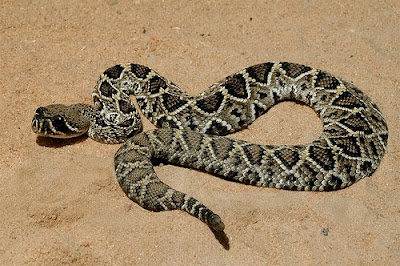
The argument describes a rattlesnake age folktale. According to this folktale, you can determine a rattlesnake's age by counting the number of sections on its rattle. This is because the rattlesnake forms a new section on its rattle each time it molts. The argument claims this rattlesnake age folktale doesn't work only because rattle sections break off due to their brittleness. It then concludes that if the rattles were not so brittle, the rattlesnake age folktale would work fine.

The question then asks for a necessary assumption. The correct answer tells us that food availability does not affect the molting rate. If food availability did affect the molting rate, then you could have two rattlesnakes, one that's had a lot of food in its life, one that's had very little food in its life, and they'd appear to be different ages.

As such, the claim that the rattles' brittleness is the only thing stopping the rattlesnake age folktale from being valid is making a large assumption. The argument assumes nothing else also needs to be true in order for the rattlesnake age folktale to be valid.

Therefore, the argument depends upon this assumption in order to be valid.


Must Be True
This answer choice could have also served as the correct answer choice to a Must Be True question. It needs to be true that food availability doesn't affect the molting rate in order for the argument to be valid (more on Necessary Assumption and Must Be True questions).


Must Be False
Because this large assumption must be true in order for the argument to work, the negation of this answer choice (the denial of this assumption) cannot be true for the argument to be valid, so it must be false that food availability affects the molting rate.


Strengthen
The argument as it stands is not airtight, so it's possible to strengthen it. Again, it's claiming that all we need to do to make this rattlesnake age folktale work is remove brittleness as a factor. If we view the answer choices through the lens of providing new information (Which one of the following, if true, would most strengthen the argument?), what we previously viewed as a Must Be True can now be viewed as a strengthener.

The correct answer to what was originally a necessary assumption question also serves to strengthen the argument by dismissing the possibility that food availability affects the molting rate.

Of course, choice A also serves to strengthen the argument. In fact, it fully justifies the conclusion and serves as a sufficient assumption. It just didn't NEED to be true.)


Weaken
An answer choice that strengthens the argument often does so by dismissing potential problems, alternative causes, or alternative explanations.

This is the case with our strengtheners above. If we negate an answer choice that would strengthen the argument, we are then weakening the argument.

As such, the negation of these answer choices would serve to weaken the argument.

Meaning that if we learned that food availability did affect the molting rate, that would weaken the argument. In fact, it would destroy the argument entirely. Similarly, if we learned that rattlesnakes did not molt exactly once a year, that would weaken the argument, but only a tiny bit


Evaluate the Argument
This is when we take a major strengthener or weakener and phrase it as a question or as a "what if?".

Question: Which one of the following would be most important to know in evaluating the conclusion drawn above?

Answer: Whether food availability affects the molting rate

If food availability affected the molting rate, that would weaken the argument
If food availability did not affect the molting rate, that would strengthen the argument


Resolve the Paradox / Discrepancy
Let's rephrase the stimulus by keeping the evidence the same but saying the conclusion did not logically follow. Something like:

"We genetically engineered rattlesnakes to remove brittleness as a factor, yet our top-secret Pentagon-funded rattlesnake age folktale still didn't reliably determine a rattlesnake's age."

How is this possible?

Well, if we learned that food availability affected the molting rate, that would explain why the rattlesnake age folktale still wasn't working.


***

Now go through the exact same process with another Logical Reasoning question. I propose PrepTest 30 - December 1999, Section 2, Question 15 (page 58 in Next 10).

Photo by zackbittner